vikings
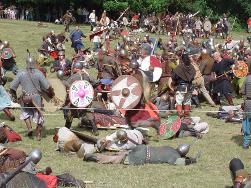
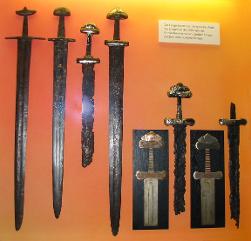
From around 800 AD, the Danes began a long era of well-organised raids across the coasts and rivers of Europe. Some of the raids were followed by a gradual succession of Danish settlers and during this epoch, large areas outside Scandinavia were settled by the Danes, including the Danelaw in England and countryside and newly established towns in Ireland, Scotland and northern France.
NORTHUMBRIA
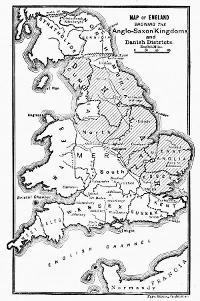
The Kingdom of Northumbria was a medieval Anglian kingdom in what is now northern England and south-east Scotland, which afterward became an earldom in a unified English kingdom.Northumbria was formed by AEthelfrith in central Great Britain in Anglo-Saxon times. At the beginning of the 7th century, the two kingdoms of Bernicia and Deira were unified. Later, Northumbria eventually was recognized as a part of England by the Anglo-Scottish Treaty of York in 1237.
norse
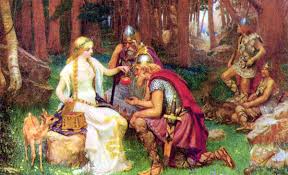
The Danes were practitioners of the Norse religion. Around 500 AD, many of the Gods of the Norse pantheon had lost their previous significance, except a few such as Thor, Odin and Frey who were increasingly worshipped. During the 10th century of the late Viking Age, the Danes officially adopted Christianity. The new Christian influences also show in their art, jewellery and burial practices of the late Viking Age, but the Norse religion remained to be practised to various degrees.
MEAD HALL
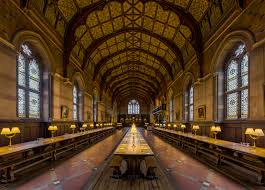
In ancient Scandinavia and Germanic Europe a mead hall or feastinghall was initially simply a large building with a single room. Hrothgar, according to the Beowulf story, had a great hall which he called "Heorot." The king and his warriors would gather in the hall to eat, plan battles, hear entertainers and drink mead (an alcoholic beverage made from fermented honey and water), and sometimes they would also sleep there.
fame & glory in beowulf
In the poem, Beowulf, a hero of the Geats, battles three antagonists: Grendel, who has been attacking the resident warriors of the mead hall of Hrogar (the king of the Danes), Grendel's mother, and an unnamed dragon. He does so because he is obligated, as a hero, to help those in need.
